
Inspiring Non-Violent Protests: Historical Methods That Worked

Two types of protests have got me thinking about addressing conflict. At the time of writing, Luigi Mangione was awaiting trial for the murder of United Healthcare CEO Brian Thompson. Although he has pleaded not guilty to the charges, he is accused of killing Thompson in protest of the insurance company’s practice of denying coverage under their medical policies. The other is the response to Elon Musk’s political positions. Not only have sales of Tesla cars fallen dramatically in Europe but adverts at bus stops allude to his perceived association with Nazism. Whilst I empathise with those who have been unable to access medical treatment, violence is not going to resolve anything.
Non-violent protest can work. Take South Africa. Initially, resistance was violent but all this served to do was to give the government the moral upper hand. It enabled them to reinforce the racist stereotype of African aggression. What Nelson Mandela and his comrades understood was that black Africans were in the majority. They were the work force. If they refused to work, it would hurt the minority in charge. If they behaved peacefully, the violence of the State was an act of barbarity. This helped to garner international support for him and his cause.
Gene Sharp made the point that there is no power without consent. It doesn’t matter whether that power emanates from your government, a utilities company, a dominating manager or an abusive partner. They would be powerless over you the moment you decide not to conform with their wishes. That’s when power shifts.

Below are some of the most famous examples of non-violent resistance that have worked. It’s hard to imagine them leading to any significant change but all of them have done so and hopefully, they should inspire you on a personal level too.
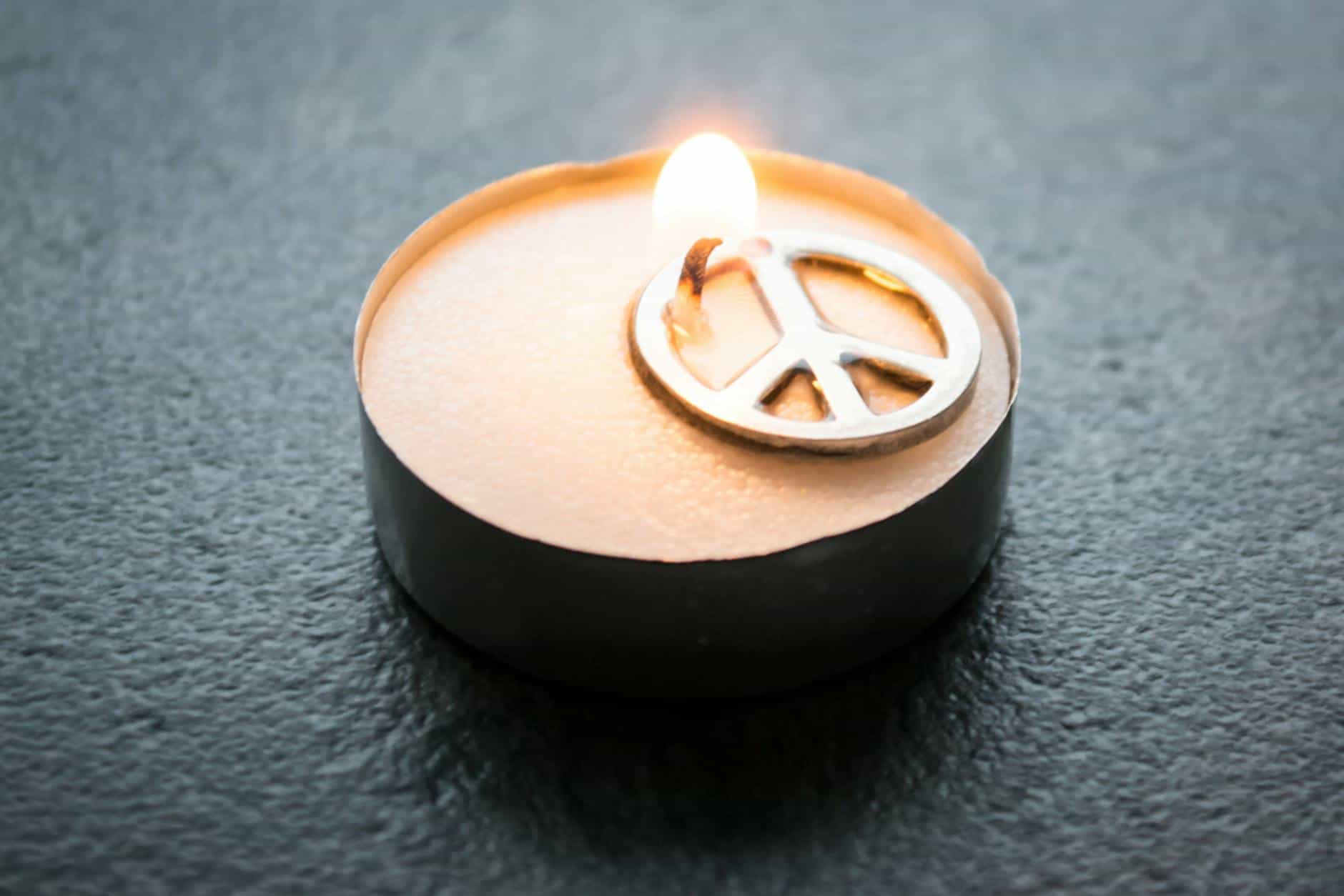
Classic Methods of Non-Violent Resistance:
- Public Declarations – Using speeches and press releases to raise awareness and mobilize support.
- Petition Drives – Collecting signatures to pressure authorities or institutions to act.
- Letter-Writing Campaigns – Flooding officials with written appeals for change.
- Consumer Boycotts – Refusing to purchase goods from unethical companies or regimes (e.g., the Montgomery Bus Boycott in 1955-56).
- Selective Purchasing – Supporting businesses that align with ethical and social justice principles.
- Non-Payment of Fees – Refusing to pay unjust fines, fees, or tolls.
- Silent Demonstrations – Standing in public spaces in silence to protest injustices (e.g., silent protests against racial discrimination in the U.S.).
- Wearing Symbols of Protest – Displaying ribbons, armbands, or specific clothing to signal dissent (e.g., the white poppy peace campaign in the UK).
- Mock Funerals – Symbolically mourning victims of oppression to raise awareness.
- Political Graffiti and Murals – Using street art to spread messages of resistance (e.g., Banksy’s political murals).
- Symbolic Gestures – Kneeling, turning backs, or other peaceful actions to show defiance (e.g., Colin Kaepernick taking a knee during the U.S. national anthem).
- Academic or Professional Withholding – Refusing to participate in government-led initiatives.
- Walkouts and Absences – Leaving workplaces, schools, or institutions to show collective disapproval (e.g., school climate strikes led by Greta Thunberg).
- Work Slowdowns – Deliberately reducing work output to disrupt operations.
- General Strikes – Halting work across industries to demand policy changes (e.g., Polish Solidarity Movement of the 1980s).
- Denying Services to Oppressors – Withholding service from unjust authorities.
- Blocking Key Routes – Peacefully obstructing roads or pathways to highlight a cause.
- Mass Resignations – Coordinated departures to weaken oppressive institutions.
- Refusal to Obey Orders – Military or police personnel refusing to carry out unjust directives.
- Underground Journalism – Publishing independent media to counter government propaganda.
- Establishing Parallel Institutions – Creating independent structures to replace corrupt systems.
- Refusing to Comply with Censorship – Sharing restricted or banned information publicly.
- Hiding or Relocating Resources – Preventing oppressive forces from accessing critical supplies.
- Peaceful Disruption of Propaganda – Covering or removing misleading public messages.
- Non-Participation in State Programs – Avoiding state-controlled political organizations.
- Electoral Boycotts – Abstaining from voting in fraudulent elections to undermine legitimacy.
- Setting Up Alternative Governments – Establishing shadow institutions to challenge authority.
- Tax Resistance – Withholding tax payments as a statement against government oppression.
- Occupation of Public Spaces – Holding peaceful sit-ins in government or symbolic locations (e.g., the Woolworth’s lunch counter sit-ins in the 1960s U.S. Civil Rights Movement).
- Self-Sufficiency Initiatives – Developing independent food and economic systems to reduce reliance on the state.
Creative and Fun Ways to Resist Non-Violently:
- Clown Army Protests – Dressing as clowns and using humor to disrupt authoritarian displays (e.g., The Clandestine Insurgent Rebel Clown Army in the UK).
- Singing Flash Mobs – Gathering unexpectedly to sing protest songs in public places (e.g., Hong Kong protesters singing “Do You Hear the People Sing?” from Les Misérables).
- Reverse Graffiti – Cleaning dirt off walls in strategic areas to create protest messages (e.g., artist Paul Curtis’ ‘clean graffiti’ in the UK).
- Dancing Protests – Holding mass dance performances to convey messages of resistance (e.g., anti-ACTA flash mobs in Poland).
- Guerilla Gardening – Planting flowers or food in neglected urban areas as a form of defiance (e.g., Ron Finley’s urban gardening movement in Los Angeles).
- Soapbox Theater – Performing satirical plays or reenactments of injustices in public spaces.
- Inflatable Barricades – Using large balloons or inflatable objects to block streets non-violently (e.g., giant inflatable cobblestones used by activists in Europe).
- Protest Puppetry – Crafting giant puppets to visually represent a movement’s cause (e.g., Bread and Puppet Theater in the U.S.).
- Honk for Change – Encouraging drivers to honk in support of a cause at strategic times.
- Social Media Hijacking – Using creative memes and hashtags to subvert official narratives (e.g., #BlackLivesMatter viral campaigns).
- Protest Conga Lines – Marching in a playful conga line instead of a traditional protest.
- Covering Statues in Yarn (Yarn Bombing) – Decorating oppressive symbols with colorful yarn to draw attention (e.g., feminist yarn bombing campaigns in Chile).
- Sticker Campaigns – Placing witty and provocative stickers in public places (e.g., Belarusian protest stickers against dictatorship).
- Protest Ice Cream Flavors – Creating and selling ice cream flavors named after social justice messages (e.g., Ben & Jerry’s “Pecan Resist” supporting activism).
- Mock Awards Ceremonies – Hosting fake awards to expose corruption and hypocrisy (e.g., The Public Eye Awards given to unethical corporations).
- Protest Postcards – Sending thousands of postcards with messages of dissent to decision-makers.
- Balloons with Messages – Releasing helium balloons with protest messages attached.
- Virtual Sit-ins – Overloading websites of oppressive institutions with traffic to disrupt operations.
- Human Chains – Forming long human chains to show unity.
- Chalking Messages – Writing political messages on sidewalks.
- Fake Currency Protest Notes – Printing money-like notes with activist messages.
- Protest Parades – Hosting themed parades as a form of resistance.
- Silent Flash Mobs – Gathering in silence in key locations.
- Creative Costume Protests – Wearing themed outfits to make statements.
- Protest Stamps – Designing and distributing unofficial stamps with resistance messages.
Each of these methods highlights the power of peaceful resistance in challenging unjust systems. Whether traditional or unconventional, non-violent action can weaken oppressive institutions, empower communities, and create lasting change while engaging and inspiring people along the way.
In any society, non-violent conflict can lead to change. I hope this has inspired you to see world politics and your personal power struggles in a more positive light and if you have, let me know your thoughts by leaving a comment.
Affiliate links have been used in this blog post.
Discover more from The Conflict Expert
Subscribe to get the latest posts sent to your email.