
Neuroscience Strategies for Resolving Personal Conflicts
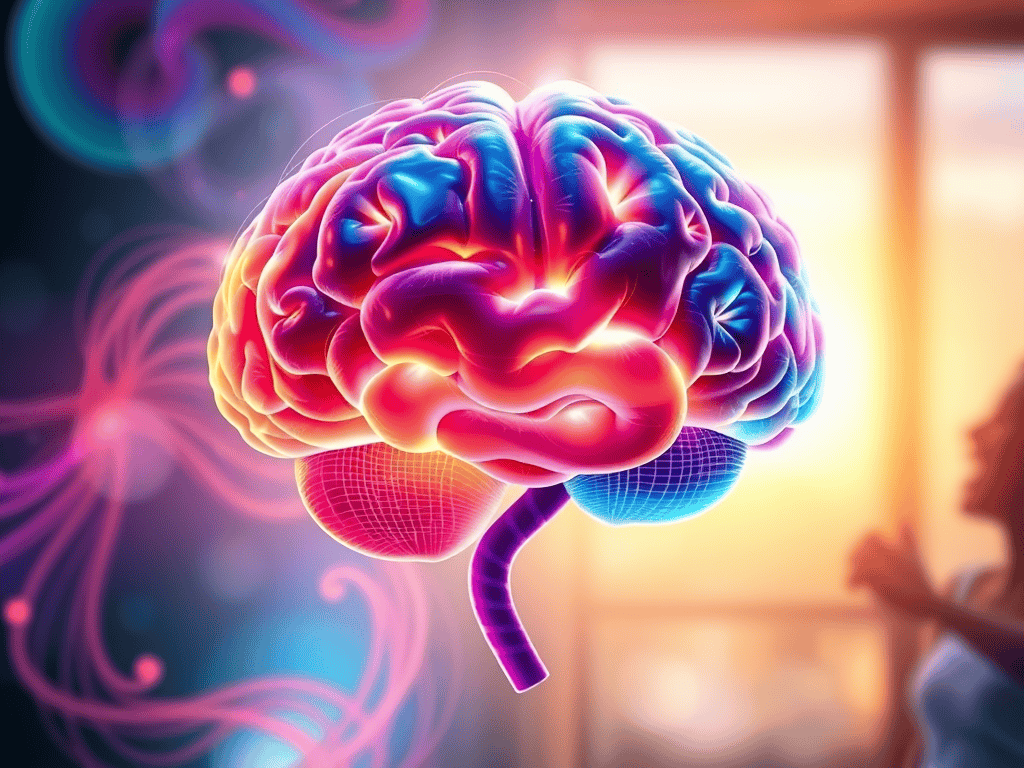
In my previous post, I wrote about how neuroscience in conflict plays out on the international and political stage. It has been used to calm inter-group tensions and violence, break down stereotypes and prejudices passed down through generations, and build trust and cooperation. Knowing how our brain works can help us create peace.
It can also be used in our personal relationships to resolve conflict and here is how.
1. Reduce Fear-Based Responses (Calm the Amygdala)
When conflicts arise, your amygdala (the fear/emotion center) is triggered, making you defensive or aggressive. Instead of reacting impulsively, pause, take deep breaths, and engage your rational brain (prefrontal cortex).
My go-to tool for this is meditation and box breathing – both used by performers to calm stage fright and politicians prior to giving important speeches. Getting distance will help you achieve this.
2. Strengthen Social Bonds with Oxytocin
You can strengthen personal relationships by doing enjoyable activities together. Shared positive experiences trigger oxytocin, the bonding hormone, which reduces conflict instinct. This is especially useful if you have just had an argument with a friend or partner but you have resolved your differences.
✔ Laughing together—humor reduces stress and increases oxytocin.
✔ Eat meals together—sharing food builds trust (evolutionary trait!).
✔ Physical touch (hugs, handshakes) increases bonding and reduces hostility
In a work context, team building exercises such as completing a fun challenge together, help to create positive feelings and bonds which can reduce conflict and build trust.
3. Reframe Perceptions to Reduce “Us vs. Them” Thinking
Conflict triggers an “enemy response” in the brain, making us interpret the other person’s actions in the worst possible way.
Instead of seeing the conflict as Me vs. You, frame it as Us vs. The Problem. Use phrases such as “How can we fix this?” instead of “You’re wrong”.
Remind yourself, They’re not my enemy, just a person with different needs and emotions.
4. Strengthen the Prefrontal Cortex (Logical Thinking)
Whilst attempting to resolve any conflict, ask yourself “What’s the End Goal?” and figure out what you are trying to achieve. You can also refer to my blog listing questions to ask during any conflict.
The prefrontal cortex helps us think long-term and avoid emotional impulsivity.
Write down your thoughts before having a difficult conversation—this helps engage the logical part of your brain.
If emotions are high, take a 24-hour pause before addressing the issue.
5. Break the Cycle of Generational Conflict
This blog is all about teaching you skills that you probably didn’t learn as a child. Toxic communication patterns, like war trauma, can be passed down through generations until the cycle is broken.
If you grew up in a home where people yelled during arguments, your brain may default to that response—but you can break the cycle.
The first step is recognising how you react under stress and whether this is a pattern.
Therapy may help as well as mindful techniques. You have different emotional options, you don’t have to react , you could choose instead to listen actively, open yourself to seeing things from the other person’s perspective and expressing empathy. If you are conflict avoidant, it’s time to understand why that is and seek to address it appropriately, especially if it harming you in some way.
This takes time and effort but with practice, you can change.
Discover more from The Conflict Expert
Subscribe to get the latest posts sent to your email.