
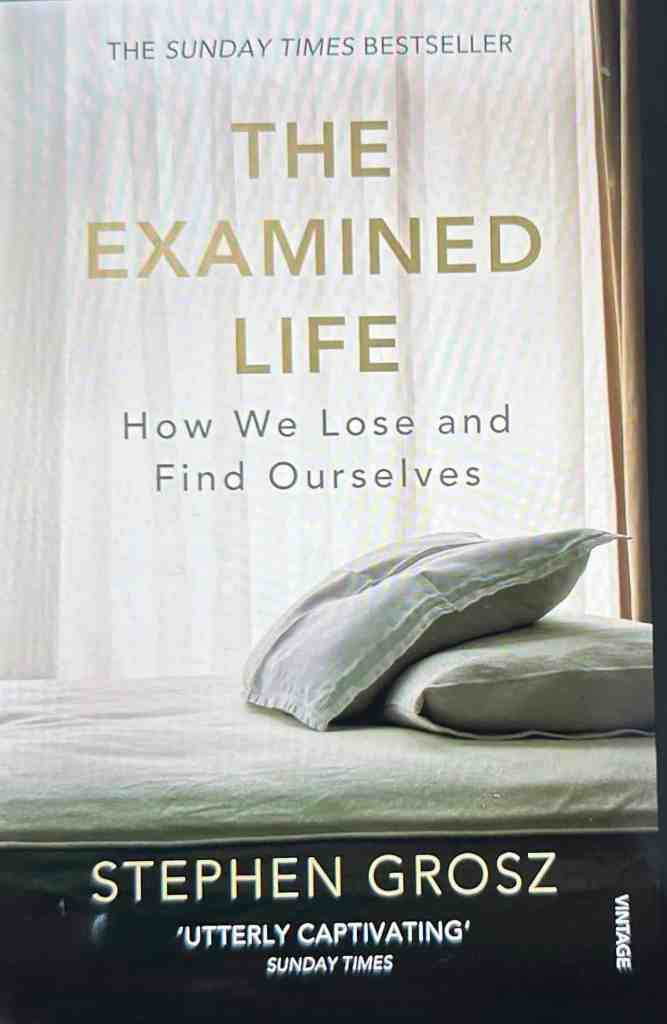
Book Review of The Examined Life by Stephen Grosz
What happens when we stop and truly examine the stories we tell ourselves? Conflict is often about the stories we are telling ourselves and we replay these narratives, keeping us stuck in conflictual patterns. What if you could see the conflict from a different perspective?
In his book The Examined Life: How We Lose and Find Ourselves, psychoanalyst Stephen Grosz distills more than 25 years of therapeutic practice into a series of vivid, human stories. Each short chapter offers a glimpse into the conflicts people carry — not only with others, but also within themselves.
For those of us who work with conflict, Grosz’s book is a reminder that disputes are rarely just about “the issue at hand.” They are about loss, change, identity, and the struggle to make sense of our lives. In this review, I want to highlight the lessons from The Examined Life that resonate most strongly with conflict resolution — whether in families, workplaces, or within our own minds.
Inner Conflict: The Stories We Tell Ourselves
At its core, The Examined Life is about the power of stories. The ones we cling to, the ones we hide from, and the ones that shape our choices. Grosz shows how people often deceive themselves to avoid pain. We protect ourselves with narratives that feel safe, but these same stories can keep us stuck.
Clients often tell me, “I was right all along,” or “They’ll never change.” Sticking to this script prevents resolution because we are fighting our own fear of confronting reality. Grosz’s writing reminds us that examining these hidden stories is the first step towards meaningful change.
The Myth of Closure
One of Grosz’s most powerful observations challenges an idea that many of us hold onto in times of conflict and loss. He writes:
“Closure is just as delusive — it is the false hope that we can deaden our living grief.”
Closure is often used as a goal in conflict resolution. Many of us feel we need closure in order to move on. But Grosz suggests that grief and loss, which often accompany conflict, are not problems to be neatly tied up. Instead, they are experiences we learn to live with. When we demand closure, we may actually push away the ongoing work of healing.
For those navigating estrangement or reconciliation, this insight is vital: you may never have perfect closure. What you can have is acceptance — and the possibility of building something new in the space of loss. I love this insightful comment because it is the reality of grief. Some losses never heal, especially those that change our lives completely. The pain is something we continue to live with, sometimes, forever.
Change, Loss, and Resistance
Another theme Grosz returns to is our fear of change. He observes,
“We hesitate in the face of change because change is loss. But if we don’t accept some loss, we can lose everything.”
This resonates deeply with conflict work. Whether in families or organisations, people often resist resolution because it demands change. Accepting an apology might mean letting go of anger. Rebuilding a relationship might mean giving up the certainty of being “right.” Change always carries loss.
But as Grosz reminds us, refusing to change can cost us even more: broken families, fractured workplaces, or years of silence between loved ones. Conflict resolution asks us to face this paradox — that healing requires loss, but also offers the possibility of renewal.
Lessons for Relationship Conflict
Grosz’s stories highlight the subtle, everyday conflicts that shape human relationships. He describes individuals who avoid conversations for fear of what they might discover, couples who cannot reconcile their different needs, and people who long for reconnection but cannot risk vulnerability.
For anyone facing family estrangement, The Examined Life offers three quiet but powerful lessons:
- Avoidance deepens conflict. Silence doesn’t erase pain — it often magnifies it.
- Listening is transformative. Real change begins when we listen to ourselves and to others.
- Reconnection is gradual. Healing fractured relationships requires patience and openness, not quick fixes.
These lessons mirror the guidance I often share with clients: conflict isn’t solved in one conversation. It is a process of small steps, honest reflection, and the courage to let go of certainty.
Why The Examined Life Matters for Conflict Resolution
So why should someone interested in conflict resolution read The Examined Life? Because it reminds us that beneath every argument lies a story about loss, identity, or fear. Grosz’s gift is in showing how universal these struggles are.
For mediators and coaches, the book is a masterclass in empathy: slowing down, paying attention, and recognising the meaning behind the words. It delves into ways of prompting clients to examine themselves by asking thoughtful questions. For individuals, it offers the reassurance that conflict, whether with ourselves or others, is not a sign of failure, but part of what it means to be human.
Conclusion
The Examined Life is not a manual on how to resolve disputes. It is something more subtle and, perhaps, more valuable: an invitation to examine the conflicts and losses that shape us, and to consider what might be possible if we faced them honestly.
The book leaves us with this challenge: we cannot escape loss or avoid change. But by examining our lives and the stories we tell, we may find a way to move forward. For anyone struggling with estrangement, grief, or unresolved conflict, Grosz’s words offer both clarity and compassion.
I loved this book and was deeply moved by the patients Grosz helps. I felt enormous compassion for their struggles and found myself contemplating why I do what I do and what my own sense of grief and loss has taught me. I cried and laughed but mainly, wished each of them well. I felt the same about his latest book, Love’s Labour, which is equally as exquisitely insightful.
If you are facing conflict in your own life and want to find healthier ways forward, I can help. Whether in family relationships, workplace challenges, or personal struggles, support is available.
Discover more from The Conflict Expert
Subscribe to get the latest posts sent to your email.
This piece deeply resonated with me, particularly Groszs piercing observation that we often deceive ourselves with comforting narratives that ultimately keep us stuck. The concept of closure as a false hope is especially illuminating; it’s true; we cling to it, fearing the raw reality of grief that wont neatly tie itself up. The idea that change, inherently involving loss, is feared yet necessary is a powerful reminder. I found myself reflecting on my own avoidance in relationships and the cost of silence. Grosz’s emphasis on listening as transformative and the slow, patient nature of reconnection feels incredibly vital. It’s not about quick fixes but honest examination and the courage to face the stories we tell ourselves, even when they hurt. This perspective offers both clarity and immense compassion for navigating the difficult, necessary work of healing and moving forward.Mercury Coder
Thank you so much , it’s such a human book , with so much wisdom 💕